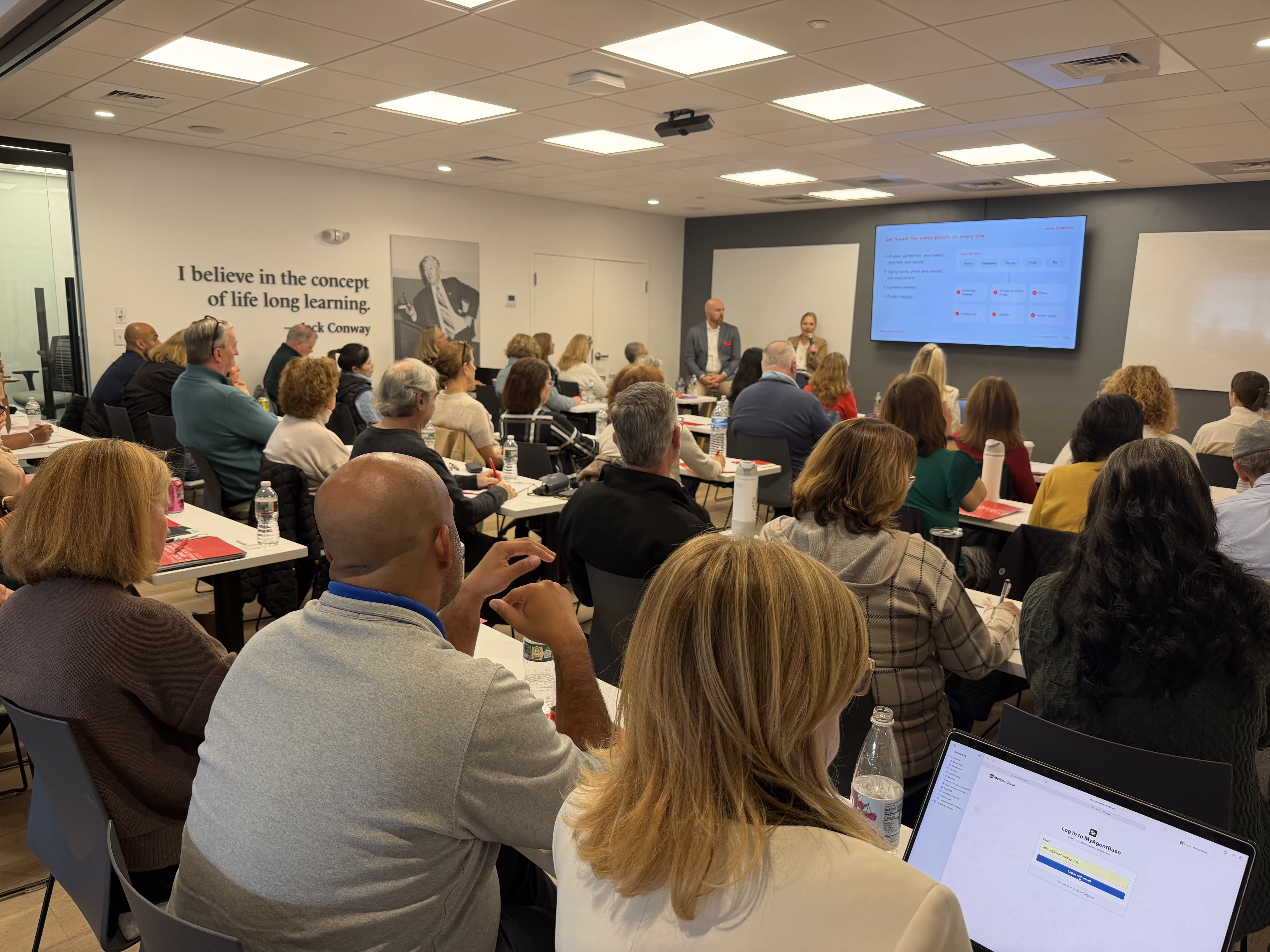
The Jack Conway Elevate Series is designed to help agents grow their business
through practical, real-world education. From Continuing Education classes to
business development and industry experts, our goal is to provide training that
helps you succeed at every stage of your career.
Laurie Wilkey
Participants explored practical strategies for staying safe and protecting clients and their property, including:
Thank you to Laurie Wilkey for instructing this important course and sharing practical strategies to help our agents stay safe, prepared, and confident in the field and online.
Presented by
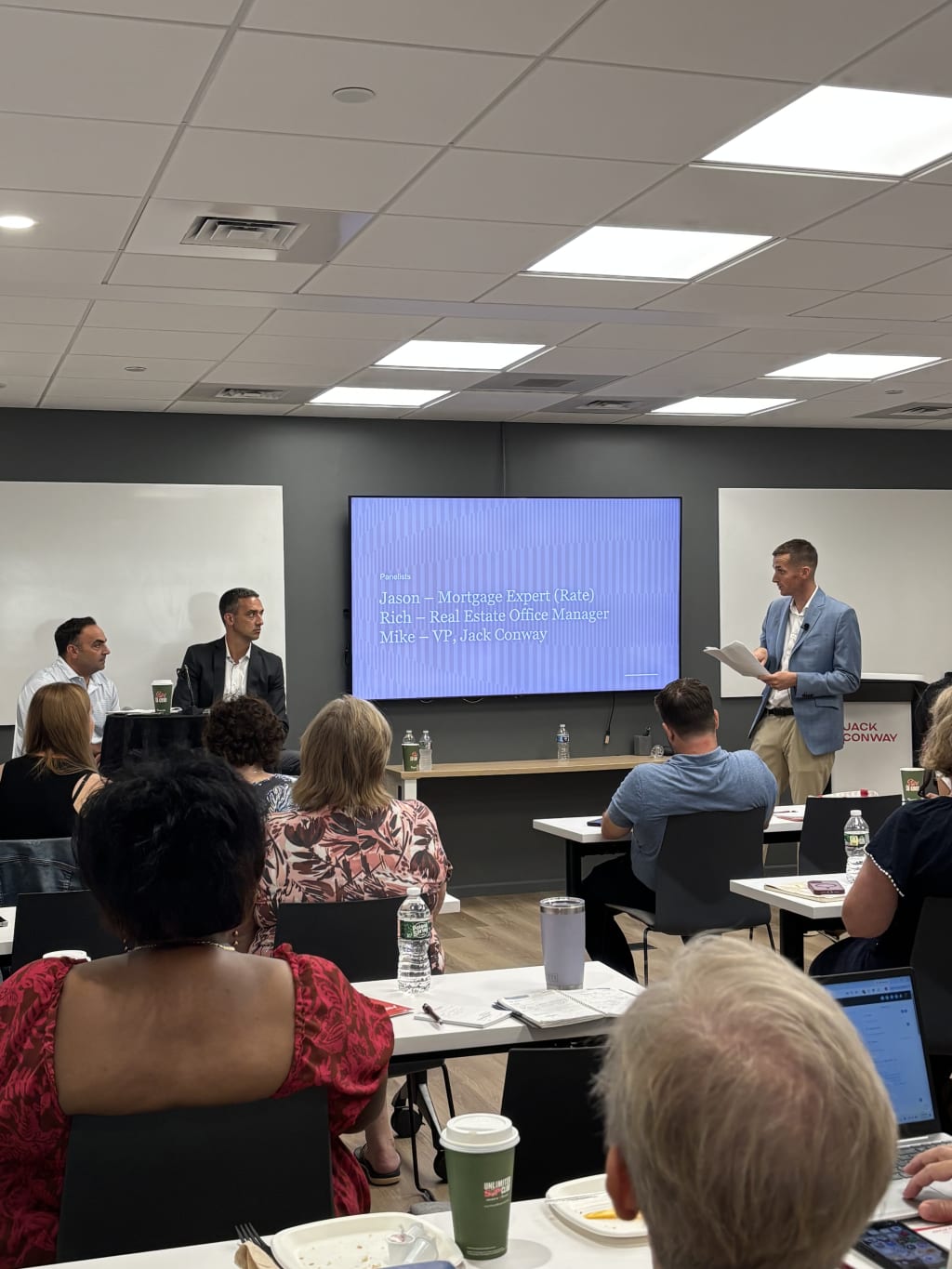
Jason Evans – Mortgage Expert, Rate
Rich Carlo – Real Estate Office Manager
Moderated by
Mike Bulman – Vice President, Jack Conway
What We Covered
Participants explored today's residential mortgage financing landscape, including:
Credit reports and credit scoring
The evolving mortgage lending market
Current financing options and loan products
Market trends affecting buyers and sellers
Best practices for helping clients navigate the financing process
Thank You to Our Speakers
Thank you to Jason Evans, Rich Carlo, and Mike Bulman for sharing their expertise and helping our agents stay informed on today's mortgage market.
For Massachusetts real estate agents, short sales can be complex because they involve both the seller and the lender(s). Here are the most important points to understand and communicate to your clients.
A short sale is not complete until the lender approves it. Even if the seller accepts an offer, the lender can:
Agents should clearly disclose that all terms are subject to lender approval.
Lenders typically require proof of financial hardship, such as:
The seller will usually need to provide financial documentation and a hardship letter.
Lenders order their own valuation, often through:
Overpricing can delay approval, while underpricing may be rejected by the lender.
Determine whether the mortgage is owned or backed by:
Each has different short-sale guidelines and timelines.
Have the seller sign an authorization allowing you to communicate directly with:
Without authorization, lenders generally won't discuss the file.
Many short sales involve:
Every lienholder may need to approve the transaction.
Always encourage sellers to consult a Massachusetts real estate attorney.
Forgiven mortgage debt may have tax implications depending on current federal and state rules and the seller's circumstances.
Buyers should be prepared for delays and uncertainty.
Consult with the closing attorney regarding proper language.
Successful short sales require consistent follow-up with:
Many delays occur simply because documentation expires or requests go unanswered.
The lender ultimately approves the commission being paid through the short sale.
Agents should understand this before accepting the assignment.
Massachusetts is a non-judicial foreclosure state in many circumstances, but lenders can still pursue deficiency claims under certain conditions. Because of this, sellers should always have independent legal counsel review any short-sale approval letter before closing.
Those three items solve most of the problems that derail short sales.
Chris Johnson
Isaksen Solar
Phone: 508-491-6421
Email: cjohnson@isaksensolar.com
Website: isaksensolar.com
John Gallagher
Clark Hill Inspections
Phone: 617-992-0739
Website: clarkhillinspections.com
Sarah Gomes
Sr. Mortgage Banker — RATE
Phone: 508-509-0560
Email: sarah.gomes@rate.com
Andrew Bulman, Esq.
Real Estate Attorney
Phone: 617-686-5893
Email: andrew@massrealestatelaw.com
Missed the live session or want a refresher? Use the links below to revisit the panel and access the outline.
Note: Watching the recording does not provide MA CE credit.
RE44R05: Understanding Title and Title Concerns
Part of the elevate series
Researched Answers
The well and septic are inspected by the appraiser and only additional inspection required if appraiser notes any issues (examples – non flushing toilets/turning on water not working / smells)
Additionally:
Official septic inspection has to be done if required by the state.
Well water test is required that meets local health authority requirements or EPA standards regardless of state.
Coffee & Credits Presented by Stablepoint
Part of the Elevate Series

Sign in with your email address
You’re being redirected to the page with listing data.