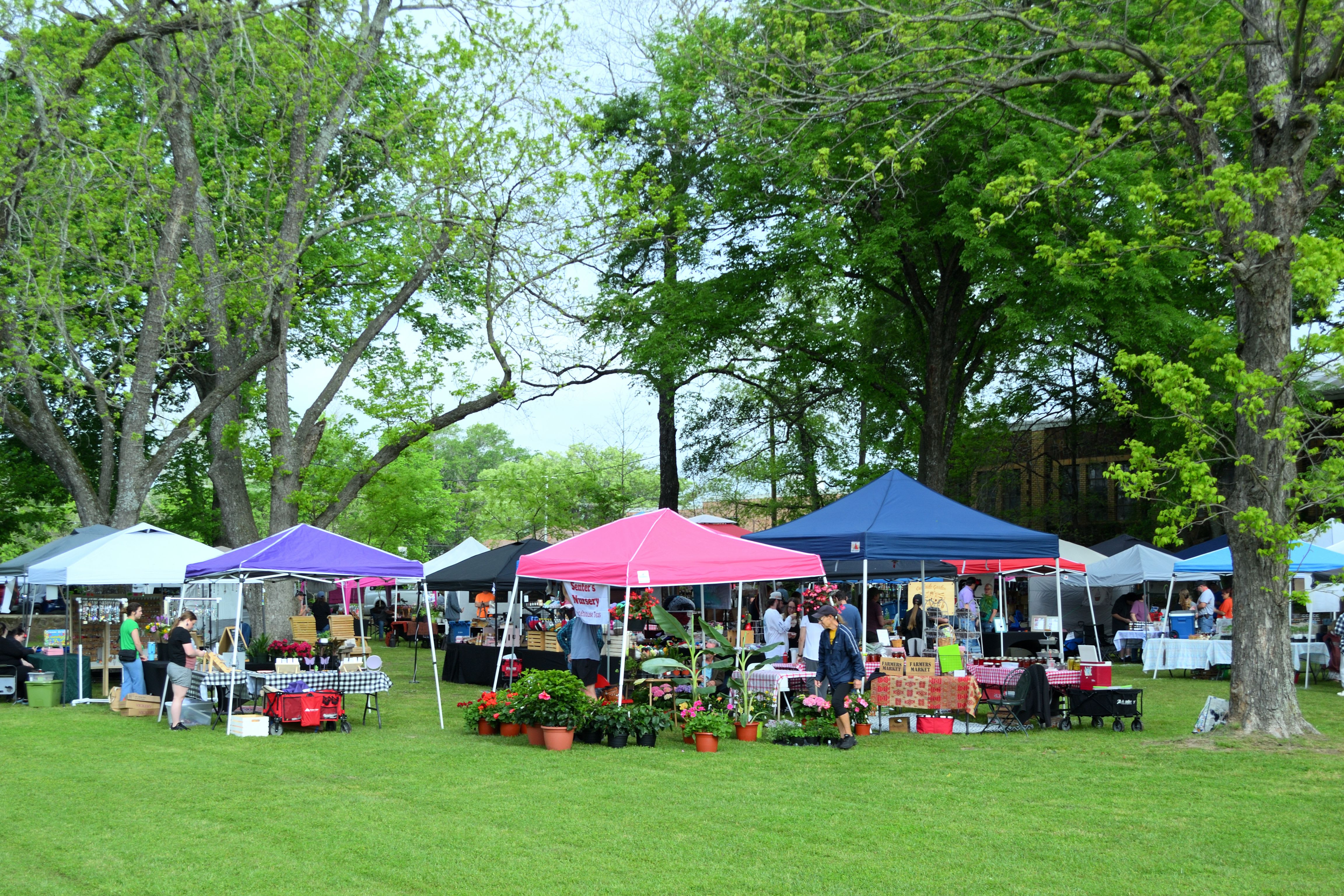
Exploring Local Farmers Markets Across Massachusetts
From the South Shore to Cape Cod and Greater Boston, farmers markets have become a seasonal tradition that connects residents and visitors with locally grown produce, specialty foods, flowers, baked goods, and handcrafted products. Beyond shopping, these markets showcase the agricultural heritage and local businesses that help shape communities throughout Massachusetts.
Whether you're discovering a new town or looking for fresh ingredients close to home, farmers markets offer an enjoyable way to experience local culture while supporting regional farms and producers.
What Can You Find at a Massachusetts Farmers Market?
Every market is unique, but many feature seasonal fruits and vegetables, locally grown flowers, fresh breads, cheeses, honey, maple products, seafood (where available), meats, prepared foods, artisan crafts, and specialty beverages.
Because offerings change throughout the growing season, visiting markets regularly often provides new selections as different crops become available.
Popular Farmers Markets Across Massachusetts
Massachusetts is home to dozens of established farmers markets throughout the state. Some well-known examples include:
- Boston Public Market (Boston)
- Braintree Farmers Market
- Hingham Farmers Market
- Plymouth Farmers Market
- Scituate Farmers Market
- Marshfield Farmers Market
- Falmouth Farmers Market
- Orleans Farmers Market
- Hyannis Farmers Market
- Salem Farmers' Market
Many communities also host weekly seasonal markets featuring local farms, food producers, musicians, and nonprofit organizations.
Why Farmers Markets Matter
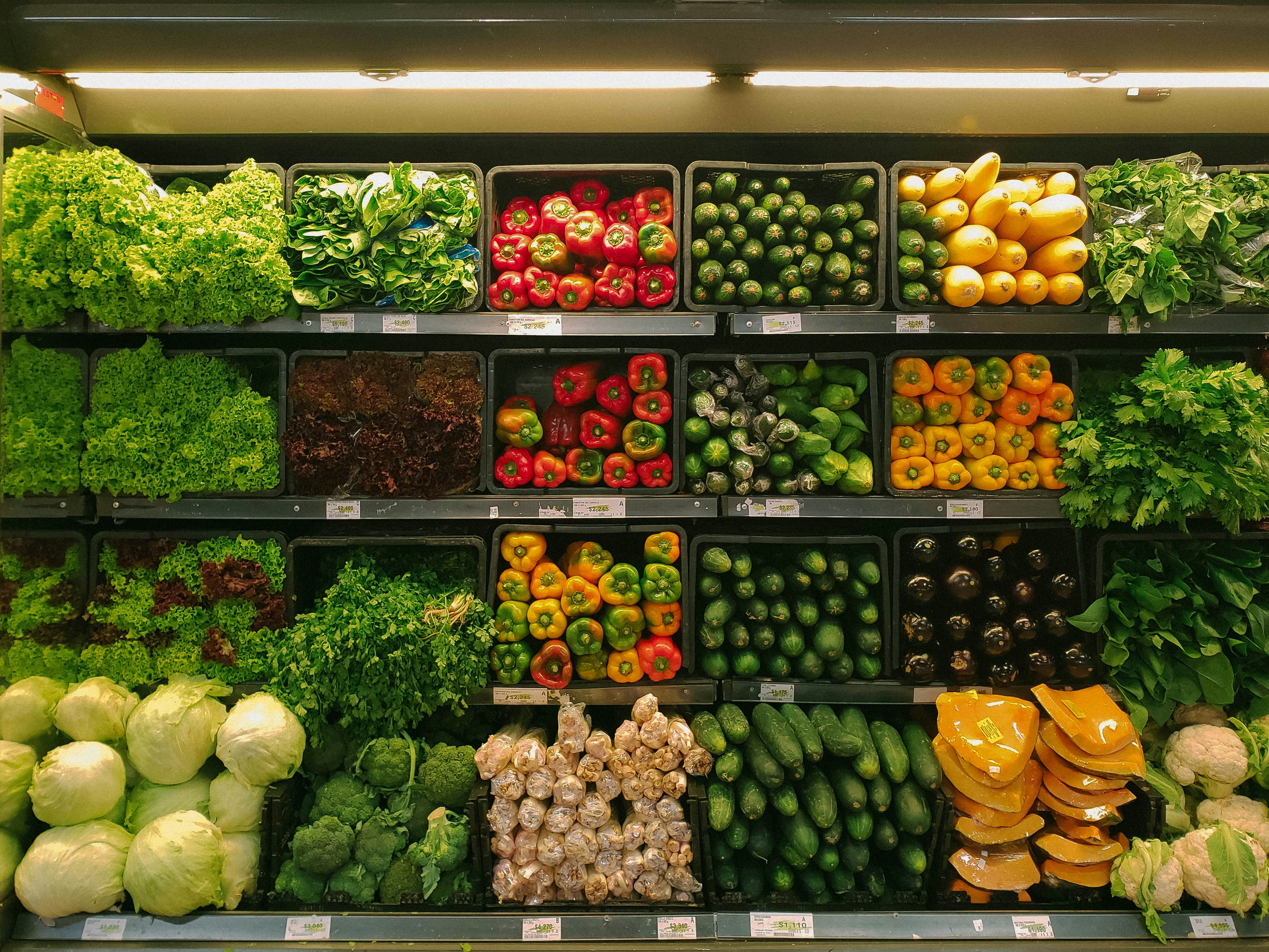
Farmers markets help strengthen connections between local agriculture and consumers. Purchasing directly from growers allows shoppers to learn about seasonal products while supporting Massachusetts farms.
Markets also create opportunities for small businesses, specialty food producers, bakeries, and artisans to introduce their products to local communities.
Tips for Visiting Your Local Market
- Arrive early for the widest selection.
- Bring reusable shopping bags.
- Carry small bills or use vendors that accept electronic payment.
- Check market schedules before visiting, as operating days and seasons vary.
- Explore vendors you've never tried before.
Seasonal Shopping Throughout the Year
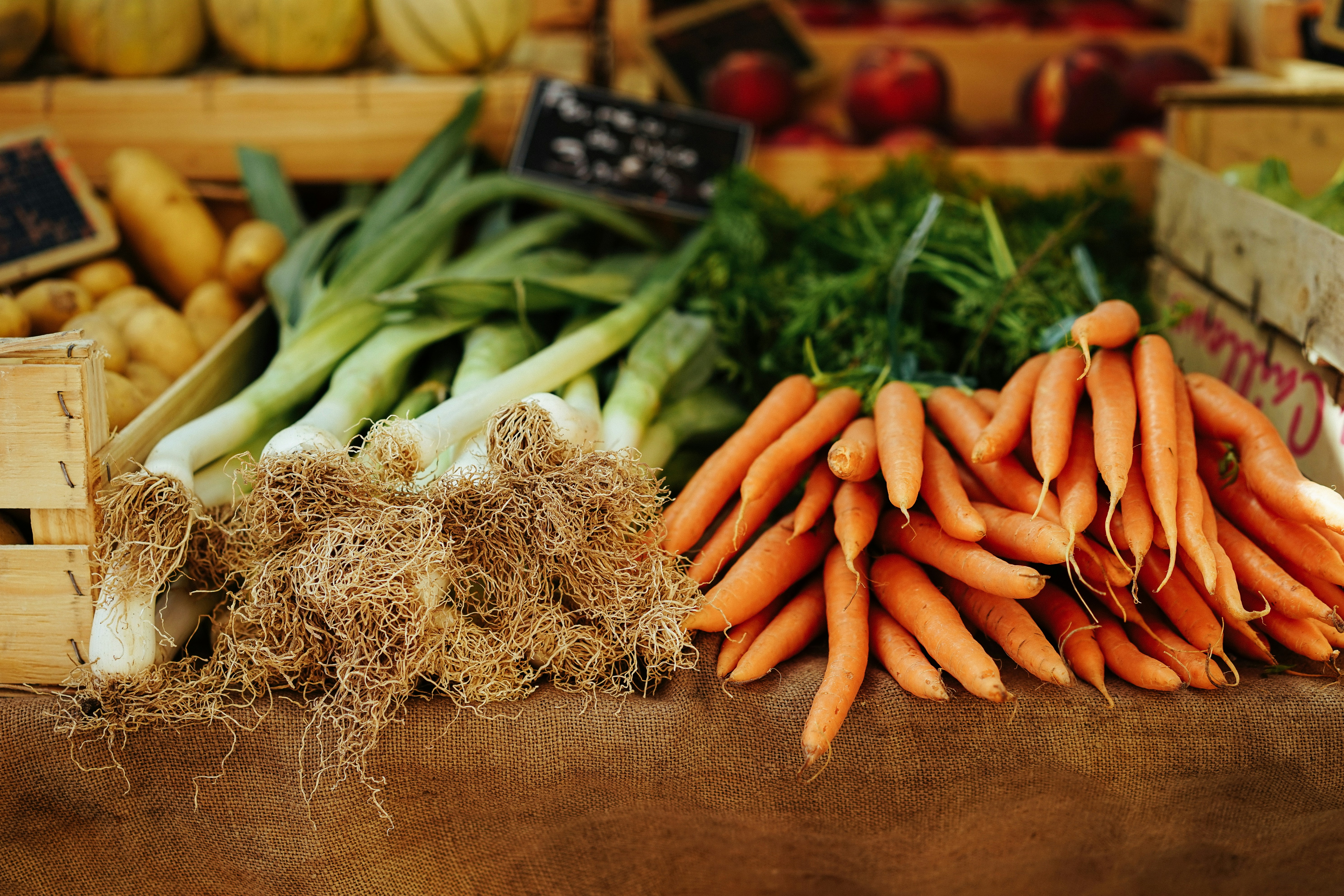
Massachusetts farmers markets generally operate from late spring through fall, although some indoor winter markets continue during colder months. Seasonal availability changes throughout the growing season, with strawberries arriving in early summer, tomatoes and sweet corn peaking during midsummer, and apples, pumpkins, and squash becoming available in autumn.
Supporting Local Communities
Shopping at farmers markets is one way many Massachusetts residents choose to engage with local agriculture and small businesses. Along with parks, trails, downtown districts, and waterfronts, these seasonal markets contribute to the character and vibrancy of communities throughout the Commonwealth.
At Jack Conway, our agents work with buyers and sellers across Massachusetts and understand that local amenities, including seasonal events, public spaces, and community traditions, often help people become more familiar with the places they explore.
Frequently Asked Questions
When do most Massachusetts farmers markets open?
Many outdoor markets begin operating in late spring and continue through early fall, although schedules vary by community.
Do farmers markets only sell produce?
No. Many markets also feature baked goods, flowers, honey, specialty foods, artisan products, and prepared meals.
Are farmers markets open year-round?
Some communities host indoor winter markets, while many outdoor markets operate seasonally.
Where can I find a farmers market near me?
The Massachusetts Department of Agricultural Resources maintains a statewide directory of farmers markets, and many municipalities publish seasonal schedules on their official websites.