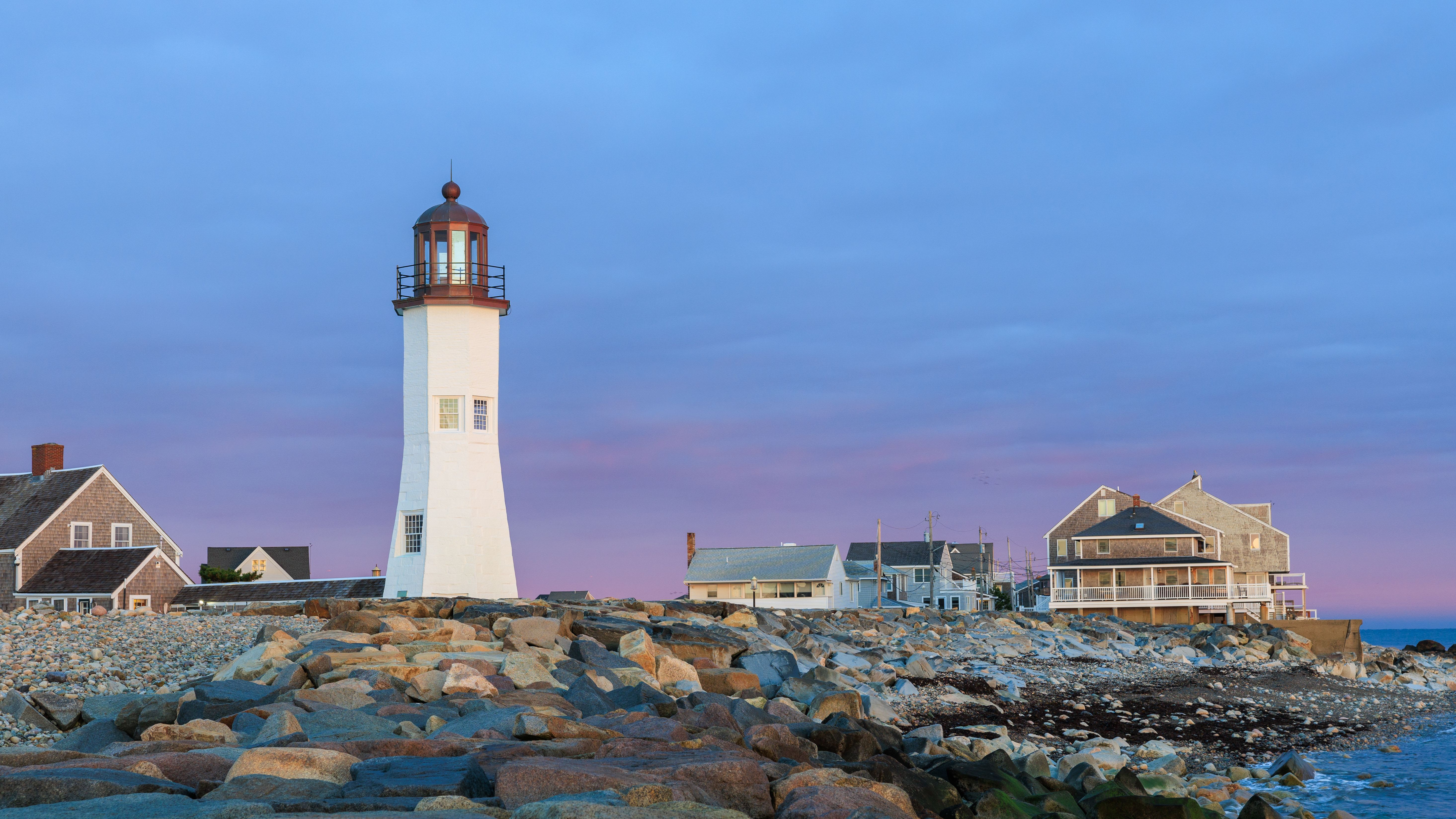
Take a walk through almost any coastal town in Massachusetts, and you'll start to notice something special. Look past the cedar shingles and charming front porches, and you'll find architectural details that have been part of New England homes for generations.
From rooftop widow's walks to copper weather vanes, many of these features weren't added just for looks. They often had a practical purpose and reflected the region's long connection to the sea.
Whether you're exploring Scituate, Hingham, Plymouth, Marblehead, Falmouth, or Nantucket, these small details help tell the story of Massachusetts' coastal heritage.
Widow's Walks: More Than a Great View
A widow's walk is one of the easiest features to spot on an older coastal home. These small platforms sit on top of the roof and are surrounded by a railing.
Many people have heard the story that sailors' wives used widow's walks to watch for ships returning home. While it's a popular legend, historians say there's little evidence that this was their main purpose.
Instead, widow's walks were likely used for practical reasons, such as reaching chimneys for maintenance, catching a cool breeze on warm days, or enjoying views of the harbor.
Today, they're still one of the most recognizable features of coastal New England homes.
Cupolas Were Built for More Than Style
Another feature you'll often see is a cupola. These small structures sit on top of a roof and add character to a home, but they were originally designed to serve a purpose.
Before air conditioning, cupolas helped hot air escape and allowed fresh air to circulate through the house. They also brought extra natural light into upper floors.
Even though modern homes no longer rely on them for ventilation, cupolas remain a classic part of New England architecture.
Why Cedar Shingles Are So Common
Cedar shingles have been used on coastal homes for hundreds of years because they hold up well in New England's weather.
Over time, untreated cedar naturally fades to a soft gray color that's become a signature look along the Massachusetts coast.
Besides looking beautiful, cedar is durable and naturally resistant to moisture and insects, making it a practical choice for coastal homes.
Weather Vanes Combined Art and Function
Long before weather apps, homeowners looked to weather vanes to see which way the wind was blowing.
These decorative pieces often featured ships, whales, roosters, or other symbols that reflected local history and maritime traditions.
Many historic weather vanes can still be seen on homes, barns, and public buildings throughout Massachusetts.
Small Details That Reflect Coastal Living
Not every nautical feature stands out right away. Some are easy to miss but add to the charm of a home.
Look for details like:
- Lantern-style exterior lights
- Multi-pane windows
- Copper gutters and roof accents
- Decorative railings
- Traditional shutters
Each of these features helps preserve the timeless look that makes coastal Massachusetts homes so distinctive.
A Lasting Part of Massachusetts Architecture
One of the reasons coastal New England homes are so memorable is that many of their design features have stood the test of time.
While today's homes include modern materials and conveniences, many builders continue to incorporate traditional architectural details that reflect the region's history.
The next time you're walking through a coastal Massachusetts town, take a closer look. You might spot a widow's walk, a weather vane, or a weathered cedar roof that has been part of New England's architectural story for generations.
At Jack Conway, we enjoy helping people learn more about the homes and communities that make Massachusetts such a unique place to live.
Sources: Historic New England; National Park Service - Historic Preservation